- Separation Support
- Counselling
- Mental Health Support
- Relationship and Sexuality Education
- Relationship and Parenting Courses
- First Nations Services
Building resilience in children
Conversations about resilience often raise a deeper question for parents: how much support is too much, and when does protection start to limit growth? As parenting approaches evolve, many families are trying to balance empathy with preparing children for real-world challenges. Understanding how resilience develops can help you support your child in ways that build confidence, emotional strength and the ability to cope with setbacks over time.
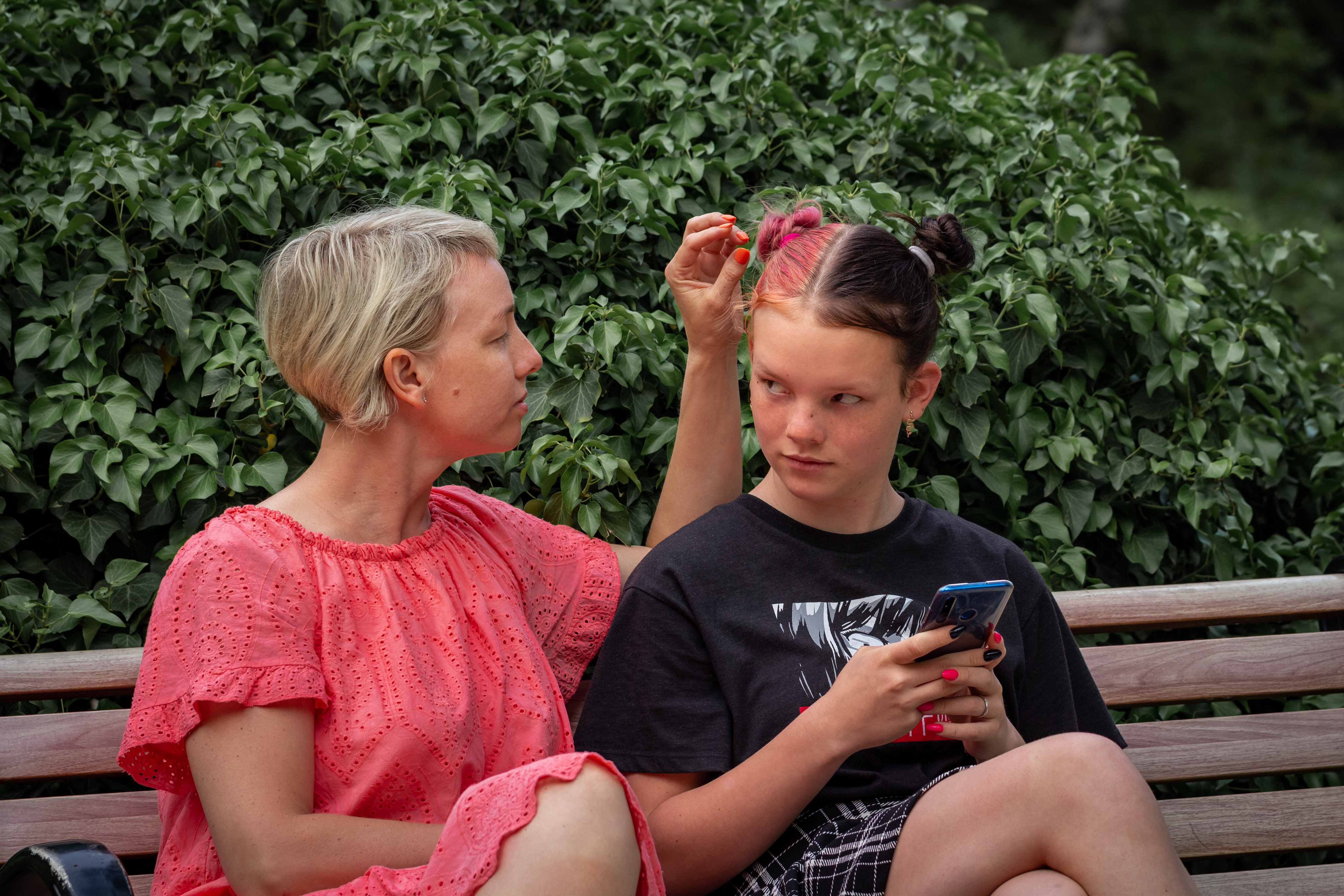
Are we raising children who can cope with life’s challenges, or are we protecting them from the very experiences that help build resilience?
There’s much debate about whether modern parenting has made children less resilient. Terms like soft parenting and gentle parenting are frequently used online, often alongside concerns that children today are struggling to cope with challenges, setbacks and disappointment.
But the reality is more nuanced. Parenting styles have changed significantly over generations, and so has the world children are growing up in.
According to Alicia McAleer, Practice Specialist, Child, Youth & Family at Interrelate, current parenting approaches often aim to improve on how previous generations were raised.
‘Every generation’s style of parenting tends to address the shortcomings of the previous generation,’ Alicia says. ‘Many parents today were raised in more authoritarian households, where children’s emotions weren’t always acknowledged. Now we’ve moved towards approaches that prioritise empathy and emotional understanding.’
This shift has led to new conversations about building resilience in children and how parents can strike a healthy balance between emotional support and preparing children for real-world challenges.
What is soft parenting – and how is it different from permissive parenting?
One of the biggest misunderstandings in the parenting debate involves soft parenting or gentle parenting.
These approaches are often criticised as being too lenient. But Alicia says this perception usually comes from confusing gentle parenting with something else entirely.
‘Gentle parenting has been a bit demonised in recent years,’ she says. ‘But it’s actually built around four key principles: empathy, respect, understanding and clear boundaries.’
Gentle parenting isn’t about letting children do whatever they want.
‘People often think gentle parenting means there are no limits, but that’s actually permissive parenting,’ Alicia says. ‘Gentle parenting still includes firm boundaries. The difference is that it avoids punitive approaches like yelling, shaming or isolating children.’
Permissive parenting, by contrast, tends to remove limits altogether.
‘Permissive parenting is characterised by low demands and high responsiveness,’ Alicia explains. ‘Parents may try to placate a child’s emotions rather than maintain a boundary.’
Understanding this distinction is important when talking about raising resilient children, because resilience isn’t built through harsh discipline or by avoiding limits entirely. Instead, it develops when children experience boundaries, emotions and natural consequences within a supportive environment.
What does emotional resilience in children actually mean?
When people talk about emotional resilience in children, they mean the ability to cope with stress, setbacks and change.
Alicia describes resilience as a set of adaptive skills rather than a fixed personality trait.
‘Resilience is the mental, emotional and behavioural ability to adapt to adversity, stress or significant change,’ she says. ‘It’s really about how well someone can bounce back from life’s challenges.’
However, modern conversations about resilience can sometimes blur the line between protecting children and preparing them for life.
‘Most parents naturally want to protect their children from discomfort,’ Alicia says. ‘But when we prevent children from experiencing stress, sadness or pressure altogether, they don’t get the chance to develop the skills they need to manage those feelings.’
She adds that this can create difficulties later in life.
‘If young people have never had the opportunity to navigate challenges, they may struggle when they encounter stress, ambiguity or unexpected change in adulthood.’
Rather than eliminating challenges, developing resilience in children often means helping them experience manageable difficulties while knowing they are supported.
Some children may need extra support learning to manage difficult emotions, particularly if they experience anxiety or ongoing worry.
Does soft parenting work when building resilience in children?
The public debate often asks whether soft parenting helps or hinders resilience. The answer lies in finding the right balance.
‘There’s huge value in supporting children to understand and manage their emotions,’ Alicia says. ‘But there’s also immense value in allowing children to experience difficult and challenging things.’
Instead of avoiding disappointment, parents can help children learn how to handle it.
‘It’s not about preventing a child from being disappointed,’ Alicia explains. ‘It’s about helping them understand that disappointment is a normal feeling and teaching them how to work through it.’
Parents sometimes step in too quickly to solve problems for their children, often with the best intentions.
‘Parents don’t want to see their children uncomfortable, and watching your child struggle can be incredibly difficult. As parents, we sometimes have to sit with the discomfort of seeing our child struggle, because those experiences are what help them build the skills they’ll need later in life.’
How to build resilience in children without toughening them up
For many parents, the goal is to build resilience in children without returning to outdated attitudes like ‘toughen up’.
Alicia says resilience often develops through everyday experiences rather than dramatic challenges.
‘Children build resilience the same way we build muscle,’ she says. ‘You don’t start by lifting 20 kilos. You start with one or two and build strength gradually.’
Small opportunities for independence and persistence can make a big difference.
‘If a child loses a sports game, do they want to quit, or do they want to practise and try again?’ Alicia asks. ‘If they get a low mark on a test, do they blame the teacher or do they work out what they need to improve next time?’
Parents can support this process by encouraging effort rather than perfection.
‘True self-esteem develops when children complete challenging tasks or achieve goals they’ve worked towards,’ Alicia explains. ‘When parents do everything for their children, it can actually undermine their sense of capability.’
Ultimately, resilience grows through experience.
‘Children should occasionally do difficult or challenging things,’ Alicia says. ‘That’s how they learn they can handle hard moments and keep going.’
Raising resilient children in a more complex world
Modern kids face pressures previous generations rarely encountered – from social media exposure to global crises.
‘I think younger generations are growing up in a far more complex world,’ Alicia says. ‘They have access to information about global events, economic pressures and environmental issues in ways previous generations didn’t.’
This doesn’t necessarily mean children today are weaker. Instead, they may simply be responding to a different environment.
‘Young people today are also better at identifying when they’re struggling and seeking support,’ Alicia says. ‘That increased awareness isn’t necessarily a bad thing.’
The challenge for parents is helping children navigate that complexity while still developing confidence in their ability to cope and adapt.
Supporting your child’s resilience
Building resilience in children isn’t about raising tough kids or shielding them from every challenge. It’s about helping them experience life’s ups and downs while feeling supported, understood and capable of handling difficulties.
Parents don’t have to navigate this journey alone. At Interrelate, we offer a range of services that support families, including parenting programs, family counselling and specialised support for young people.
If you’d like support in raising resilient children or strengthening your family relationships, Interrelate’s experienced practitioners can help.
Speak with our team to learn how we can support your family.
Related articles

Social media ban
The social media ban has sparked strong reactions from families, schools and young people alike. While it aims to reduce risk, it also raises questions about what young people need to develop safely in a digital world. Understanding whether the social media ban is working involves looking beyond restriction alone, and considering how connection, resilience and digital skills shape young people’s wellbeing over time.
Read More
What is psychology and how can it help?
Psychology helps us understand how our thoughts, emotions and behaviours are connected, and how change happens over time. This guide explains what psychology is, what happens in a psychology session, and how evidence-informed support can help you make sense of your experiences and move forward with confidence.
Read More
Should I see a counsellor or psychologist? How to choose the right support
If you’re wondering whether to see a counsellor or psychologist, you’re not alone. Knowing where to start can feel overwhelming. This guide explains the differences between psychologists, counsellors and social workers, helping you understand what kind of support fits your needs and how to take the next step with confidence.
Read More