- Separation Support
- Counselling
- Mental Health Support
- Relationship and Sexuality Education
- Relationship and Parenting Courses
- First Nations Services
What is psychology and how can it help?
Psychology helps us understand how our thoughts, emotions and behaviours are connected, and how change happens over time. This guide explains what psychology is, what happens in a psychology session, and how evidence-informed support can help you make sense of your experiences and move forward with confidence.

People turn to psychology when they’re trying to make sense of what’s going on for them, or understand why they think, feel or react the way they do.
Psychology is often associated with crisis or mental illness, but exactly what is psychology? At its core, psychology is the study of thoughts, emotions and behaviour. It helps us understand why we react the way we do, how past experiences shape the present, and how access to the right support, at the right time, can influence how change happens and lasts.
iRelate Health’s Principal Clinical Psychologist, Dr Aaron Simpson, explains that psychology isn’t about fixing people, but about working alongside them.
‘My work as a clinician is about meeting people where they are. It begins with an assessment – understanding what has brought them to seek help. From there, we develop a shared formulation and goals. Psychological counselling is shaped around those goals, drawing on evidence-informed approaches. Therapy is a human-to-human relationship.
Understanding what psychology is intended for can help to remove fear, stigma and confusion around seeking support.
How psychology helps us understand everyday life
Psychology helps make sense of what’s going on beneath the surface. It looks at how thoughts, emotions and behaviour interact, and why certain patterns keep showing up over time.
That might include anxiety that seems to come from nowhere, strong emotional reactions that feel out of proportion, or behaviours that once helped but no longer serve you. Psychology doesn’t treat these experiences as flaws. Instead, it explores how they developed and what purpose they may have served.
Aaron describes the breadth of issues psychology can support.
‘We’re really fortunate to work with people from every corner of society. It can be anything from complex trauma, neurodiversity, symptoms of anxiety and/or depression or family violence, right through to someone wanting help with work-life balance. Psychology offers this rich opportunity to help people make changes within themselves, or within the environment around them.'
Importantly, psychology isn’t only for people with a diagnosis. Many people seek support because life has become harder to manage, relationships feel strained, or stress has built up over time.
Clinical psychology, counselling psychology and positive psychology
People are sometimes unsure about the different types of psychology available, or which one might be right for them. Here’s a quick breakdown:
What is clinical psychology?
Clinical psychology typically involves assessment, diagnosis and evidence-based treatment for mental health conditions and more complex or long-standing concerns.
What is counselling psychology?
Counselling psychology focuses on supporting people through emotional distress, life transitions and relationship challenges, often without a formal diagnosis.
What is positive psychology?
Positive psychology takes a strengths-based approach. Rather than focusing only on what’s going wrong, it looks at what supports wellbeing, resilience and meaning, and how people can build on existing strengths.
In practice, these approaches often overlap. What matters most is not the label, but the fit between the person, the clinician and the support being offered.
As Aaron explains, psychology exists on a continuum.
‘Psychological counselling is framed around evidence-based approaches. Counselling might use many of the same skills, but tends to stay away from diagnosis. As you move deeper into psychology, there’s a layering of training, expertise and responsibility.’
What happens in a psychology session?
One of the biggest barriers to seeking help is feeling unsure about what happens in a psychology session. Some people worry they’ll be judged, analysed, or expected to talk about things before they’re ready.
In reality, a psychology session is a structured but flexible conversation, guided by safety, collaboration and choice.
Early sessions usually focus on understanding what brought someone to therapy, what they want to work on, and what has or hasn’t helped in the past. Goals are discussed together, and the pace is set collaboratively.
Aaron describes the first sessions as relationship-building first and foremost.
‘Once you meet somebody, it’s about creating a space of safety and understanding what brought them here, what they’d like to work on, and how we’re going to work together. That relationship comes before anything else.’
Feedback is also an important part of the process. Clients are encouraged to say if something doesn’t feel helpful or if the focus needs to shift.
What is informed consent in psychology?
Informed consent means people understand what they’re agreeing to before therapy begins, and that they retain choice and control throughout the process.
This includes understanding confidentiality, any limits to privacy, how information is recorded, and what to expect from sessions. It also means knowing that consent is ongoing and can be revisited at any time. Informed consent supports trust and transparency, and helps reduce fears about being labelled or judged. It reinforces the idea that therapy is something done with someone, not to them.
Assessments, tools and psychological processes
Some people may encounter psychological assessments or structured tools as part of their care. These aren’t tests to pass or fail but ways of building a shared understanding of what’s happening and what might help.
Assessments can help identify patterns, strengths and areas of support, and guide treatment decisions. They’re one part of a broader picture, not the whole story.
Aaron says: ‘We use assessment tools to help develop a shared understanding. They help us identify what’s contributing, what’s keeping things going, and what strengths a person already brings. They’re there to inform the work, not define the person.’
How iRelate Health supports psychological care
We established iRelate Health to improve access to psychological support, particularly for people who may struggle to afford private care or fall between existing systems.
Psychologists at iRelate Health commonly support people with anxiety, depression, trauma, parenting stress, relationship breakdown, addiction and major life transitions. Care is evidence-informed, person-centred and delivered within Interrelate’s broader ecosystem of family and relationship support.
Aaron explains why access is so important.
‘iRelate Health was created to sit in the gap between public mental health services and expensive private care. Cost should never be the reason someone doesn’t get support.’
People can access services through GP referrals, Medicare pathways or other supported options, depending on their circumstances.
Psychology isn’t about being broken or needing to be fixed. It’s about understanding yourself better, navigating challenges with support, and finding ways forward that fit your life.
If you’re considering psychological support, iRelate Health offers professional, compassionate care grounded in evidence and accessibility.
Learn more about iRelate Health’s psychology services and take the next step with Interrelate when you’re ready.
You might also be interested in

Psychology Support
We're here to stand by your side on your mental health journey with affordable and accessible access to skilled psychologists and mental health specialists online or over the phone.
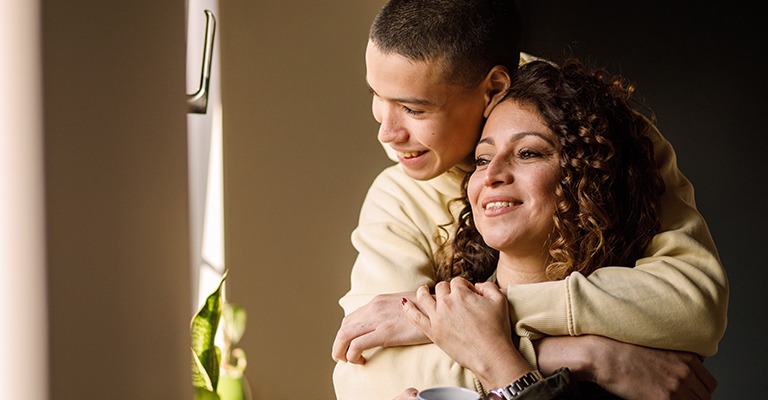
Mental Health Support
Emotional, psychological and social wellbeing contributes to mental health and all are integral to the relationships we have with ourselves and others. We provide a range of specialised mental health services to ensure you and your family have the support you need.

Counselling
Counselling is a proactive step towards wellbeing. Our counsellors can support you and your family as you look to nurture what is most important - your relationships.
Related articles

Should I see a counsellor or psychologist? How to choose the right support
If you’re wondering whether to see a counsellor or psychologist, you’re not alone. Knowing where to start can feel overwhelming. This guide explains the differences between psychologists, counsellors and social workers, helping you understand what kind of support fits your needs and how to take the next step with confidence.
Read More
Mindfulness Moments
Access guided mindfulness and calm breathing exercises produced by Jack Archibald. Jack is a proud Gumbaynggirr Man raised in Coffs Harbour, NSW.
Read More
How Art Can Heal Trauma
Art has always been a way for humans to tell a story. It can express what is difficult to say in words and can help to release inner turmoil, anger, and sadness.
Read More