- Separation Support
- Counselling
- Mental Health Support
- Relationship and Sexuality Education
- Relationship and Parenting Courses
- First Nations Services
How Art Can Heal Trauma
Art has always been a way for humans to tell a story. It can express what is difficult to say in words and can help to release inner turmoil, anger, and sadness.
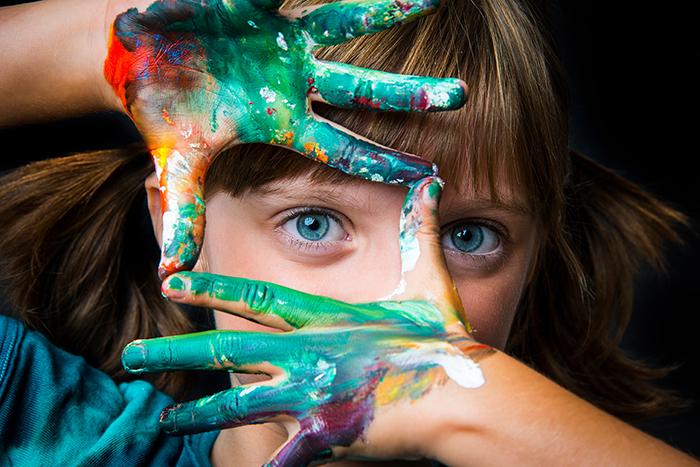
When we engage with colours, symbols, raw materials, sound, and movement to convey how we are feeling, rather than mentally relaying this – we connect with the physical response to our experiences. This relationship has proven to be especially important in the processing of trauma, as trauma is stored in the body and therefore needs to be realised and released through the body.
The experience of Post-Traumatic Stress Disorder (PTSD) is disorienting and very isolating, and trauma survivors often struggle to communicate what is happening for them.
Art can help to bridge this gap. It allows the survivors to express themselves in a sensory and visceral way, where they can act from their body rather than from their rational mind. This helps them to connect with deep-seated emotions that get stored in the body and are not so easily accessed by our thinking brain.
“When we make art, we engage with a rich inner world. We engage with the right side of our brains where our emotional memories are stored.”
When we access this part of our brain we are tapping into a kind of default system which allows us to connect with emotional memory as well as create and imagine. This connection is extremely powerful for survivors of trauma as it allows them to process the past without having to rationalise their painful experiences - which were likely not of a rational nature in the first place.
When working with the effects of childhood trauma in counselling, it is common for art therapy to be used to assist clients process this trauma. It allows their subconscious to tell a story, and make sense of where they are in their healing journey. It also helps them to create new narratives for their lives and visualise what a safe and resourceful space for themselves would look like, and how they can get there.
Being able to create is incredibly empowering for anyone who has been disempowered.
Engaging in the process of creating art brings us into the present moment, it brings us into our bodies and helps to soothe our nervous system. For this reason, art is so valuable for people dealing with the aftermath of trauma - whether it is simple or complex, whether it happened in adulthood or childhood. Healing trauma through art is extremely effective in helping survivors to process their experiences in a safe environment where they have control.
Recovering from the effects of trauma is no easy or simple feat. For many it is a lifelong process of realising the impact of their trauma, and finding safe and healthy ways to engage with their emotions, and deal with them appropriately. It is likely that survivors will engage in many different practices and therapies that assist them through this healing process. Art is one of many tools that can help survivors to deal with their complex emotions and find new ways of responding to the world around them.
From 2013 to 2018 Interrelate specialist trauma counsellors supported survivors of childhood abuse and their families as part of the Royal Commission into Institutional Responses to Child Sexual Abuse. We recognised the beneficial role of creating art in the healing process and organised a travelling exhibition through NSW with artworks of our clients to raise awareness and connect with people. Ending at Parliament house, Sydney in August 2018, the exhibition was a huge success for both survivors and the broader public.
Interrelate are here to support you. If you or someone you know is affected by trauma you can reach out to us on 1300 473 528 or email interrelate@interrelate.org.au.
For sexual abuse specific support and resources, you can contact the Blue Knot foundation on the details below:
Phone: 1300 657 380
Email: helpline@blueknot.org.au
https://blueknot.org.au/survivors/finding-support/
If this article has raised any issues for you, you can contact Lifeline for immediate support:
Lifeline: 13 11 14
You might also be interested in
Mental Health Support
Emotional, psychological and social wellbeing contributes to mental health and all are integral to the relationships we have with ourselves and others. We provide a range of specialised mental health services to ensure you and your family have the support you need.
Counselling
Counselling is a proactive step towards wellbeing. Our counsellors can support you and your family as you look to nurture what is most important - your relationships.
Psychology Support
We're here to stand by your side on your mental health journey with affordable and accessible access to skilled psychologists and mental health specialists online or over the phone.
Related articles
What is psychology and how can it help?
Psychology helps us understand how our thoughts, emotions and behaviours are connected, and how change happens over time. This guide explains what psychology is, what happens in a psychology session, and how evidence-informed support can help you make sense of your experiences and move forward with confidence.
Read More
Should I see a counsellor or psychologist? How to choose the right support
If you’re wondering whether to see a counsellor or psychologist, you’re not alone. Knowing where to start can feel overwhelming. This guide explains the differences between psychologists, counsellors and social workers, helping you understand what kind of support fits your needs and how to take the next step with confidence.
Read More
Mindfulness Moments
Access guided mindfulness and calm breathing exercises produced by Jack Archibald. Jack is a proud Gumbaynggirr Man raised in Coffs Harbour, NSW.
Read More