- Separation Support
- Counselling
- Mental Health Support
- Relationship and Sexuality Education
- Relationship and Parenting Courses
- First Nations Services
Family conflict: why it happens and how to manage it
Family conflict is a normal part of family life. When people live closely together – parents and children, partners, siblings or extended family – differences in needs, values, expectations and communication styles are bound to arise. The challenge isn’t to avoid conflict altogether. It’s to understand what drives it, and learn practical ways to manage it so it doesn’t damage relationships, wellbeing or children’s sense of safety. This article explores what family conflict looks like in everyday life, the common causes of family conflict, and simple, effective strategies to stay calm, communicate better and resolve disagreements. It also explains when extra support may be needed and how Interrelate can help.

What family conflict really looks like
Conflict in the family often shows up as disagreements, misunderstandings or repeated arguments that leave people feeling frustrated, hurt or unheard. It can involve anything from everyday tensions about routines, money or parenting, through to long-standing patterns that feel stuck or emotionally draining.
As Interrelate Practice Lead, Glen O’Hara explains: ‘Family conflict is really about underlying needs and misunderstandings. People can experience the same situation very differently, and that difference often comes out as disagreement or upset.’
Importantly, family conflict does not automatically mean something is wrong. Disagreement is a normal part of close relationships. What matters is how conflict is handled, repaired and contained, especially when children are involved.
Understanding healthy family relationships can help families recognise when conflict is a normal part of connection, and when it may be a sign that something deeper needs attention.

Common causes of family conflict
There is rarely a single cause of family conflict. More often, it develops from a combination of pressures and patterns that build over time.
People bring their own histories into relationships, including how they learned to express emotions, manage stress and deal with disagreement as they grew up. These ‘family of origin’ experiences can shape expectations in powerful ways.
At the same time, people have different conflict styles. Some avoid conflict, others confront it, while some shut down or disengage when emotions rise.
External pressures also play a major role. Stress related to finances, work, health, fatigue and the cost of living can lower patience and emotional capacity, making everyday frustrations feel much bigger. Parenting and life transitions such as separation, blending families or major change can further intensify conflict within the family.
‘People often think they’re fighting about something small, but underneath it’s about feeling unheard, unvalued or threatened,’ Glen says.
Contributors to family conflict include:
-
different communication or conflict styles
-
stress, fatigue and financial pressure
-
parenting demands and changing family roles
-
broken trust or unresolved past issues
-
major life transitions or uncertainty
The impact of ongoing conflict on wellbeing
When family conflict becomes frequent or unresolved, it can take a toll on wellbeing. Adults may experience heightened stress, anxiety, low mood or a sense of emotional distance at home. Over time, this can affect physical health and the ability to feel safe and relaxed in family relationships.
Children are particularly sensitive to conflict in the family. Even when adults believe they’re shielding them, children often pick up on tension through tone of voice, body language and atmosphere. Keeping conflict respectful, contained and repaired is one of the most important ways adults can protect children’s emotional wellbeing.
If this feels close to home, you might want to pause here and take a breath.
How to manage family conflict
Learning how to deal with family conflict doesn’t require perfect communication. Small, intentional shifts can make a significant difference, especially during heated moments.
One of the most effective tools is agreeing on a time-out. A time-out is a shared agreement to pause a conversation when emotions escalate – not to avoid the issue, but to prevent further harm and allow emotions to settle.
‘A time-out is about regulating your own emotions,’ says Glen. ‘It’s recognising when things are going downhill and choosing to pause before more damage is done.’
Time-outs work best when they’re agreed on in advance, used respectfully, and followed by a return to the conversation at a calmer time.
Other practical strategies include:
-
focusing on one issue at a time rather than bringing up past grievances
-
choosing the right time to talk, especially when someone is tired or overwhelmed
-
resisting the urge to interrupt or escalate when emotions rise
Learning how to set boundaries in relationships can help people protect their wellbeing during conflict, particularly when conversations become heated or repetitive.
Managing conflict during stressful times
Family conflict often intensifies during periods of stress or transition, such as holidays, separation, financial pressure or end-of-year fatigue. Expectations are often higher, emotional reserves are lower, and unresolved issues can resurface.
‘Any time there’s stress, uncertainty or exhaustion, conflict tends to spike,’ says Glen. ‘Sometimes the issue isn’t the issue, it’s the situation around it.’
During these times, lowering expectations, planning ahead and allowing space for rest can help reduce pressure and prevent conflict from escalating.
Communication tips for family conflict resolution
Learning how to communicate better with family can make a significant difference during conflict, helping conversations stay respectful even when emotions are high.
How something is said often matters more than the words used. When dealing with family conflict, communication that feels blaming or attacking can quickly trigger defensiveness.
Using ‘I’ statements instead of blame can help keep conversations grounded. This means speaking from your own experience – what you are feeling, what matters to you, and what you are asking for, rather than accusing or criticising the other person.
‘As soon as we say “you always” or “you never”, we’ve created a standoff,’ Glen explains. ‘Using “I” statements keeps the focus on what’s happening for you, rather than attacking the other person.’
Other helpful shifts include keeping conversations issue-based rather than personal, making requests instead of demands, and starting conversations gently. These approaches support family conflict resolution by reducing defensiveness and increasing the chance that both people feel heard.
When to seek extra support and how Interrelate can help
There are times when family conflict becomes harder to manage without support. If conflict feels constant, is escalating, or leaves someone feeling unsafe, controlled or deeply distressed, it may be a sign that extra help is needed. This is particularly important if children are showing signs of stress, anxiety or feeling caught in the middle.
It can also be difficult to tell the difference between everyday conflict and family or domestic violence when you’re living inside it. If behaviour involves intimidation, coercion, control or fear, it is not normal conflict and urgent support is needed. No one should feel unsafe in their own family or home.
Interrelate offers a range of family conflict resolution services to support individuals and families through these moments.
‘A neutral third party can really change the dynamic,’ Glen says. ‘It’s like having a referee – someone who helps keep things fair, focused and safer for everyone involved.’
If you’re unsure how to deal with family conflict, a helpful place to start is simply slowing things down. Pausing before responding, noticing what you’re feeling and what you need, and aiming for understanding rather than winning can create space for repair.
‘Feeling heard and valued is often what makes repair possible,’ Glen reflects.
If family conflict is affecting your wellbeing, your relationships or your children, you don’t have to manage it alone. Interrelate provides Family Dispute Resolution and Counselling to help families move forward with care, clarity and confidence.
You might also be interested in
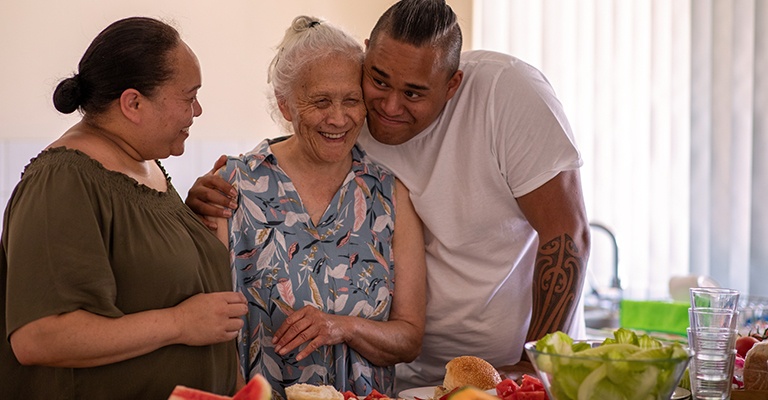
Counselling for Families
There's no roadmap when it comes to family. Family relationship counselling can provide your family with information, tools and strategies to help create a stronger and more harmonious family environment.

Separation Support
If you are going through a separation chances are emotions will be high, it's often a time of confusion, anger, hurt and grief. You don't need to do it alone, we are here to help guide you through this time of change. We have a range of services available including counselling, mental health support and mediation to help guide you through.

Counselling
Counselling is a proactive step towards wellbeing. Our counsellors can support you and your family as you look to nurture what is most important - your relationships.
Related articles

Relationship breakdown signs
Sometimes relationships don’t end with one clear moment, but through gradual shifts in connection, communication and trust. You might notice growing distance, repeated conflict or a sense that something isn’t working anymore. Understanding relationship breakdown signs can help you make sense of what’s happening beneath the surface, so you can reflect on whether to repair the relationship or consider a different path forward.
Read More
Signs your relationship is unhealthy
Most relationships experience challenges, but sometimes patterns begin to feel unbalanced, unsafe or emotionally draining. You might notice a loss of connection, ongoing tension or a sense that your needs are no longer being met. Understanding the signs your relationship is unhealthy can help you make sense of what you’re experiencing, recognise early warning signs and decide what kind of support or next steps may be right for you.
Read More
Red flags in a relationship
Not all relationship concerns are obvious. Sometimes it’s a feeling that something isn’t quite right, a pattern that keeps repeating, or behaviour that leaves you unsettled. Understanding red flags in a relationship can help you recognise when something may be unhealthy, while green flags highlight the signs of trust, safety and respect. Learning to spot both can support you to make more informed, confident decisions about your relationships.
Read More