- Separation Support
- Counselling
- Mental Health Support
- Relationship and Sexuality Education
- Relationship and Parenting Courses
- First Nations Services
What is a healthy family relationship
Healthy family relationships are built on safety, respect and connection. They allow each person to feel valued while maintaining their individuality, and include the ability to repair after conflict. Rather than being perfect, healthy families create a sense of belonging, set clear boundaries and adapt as life changes.
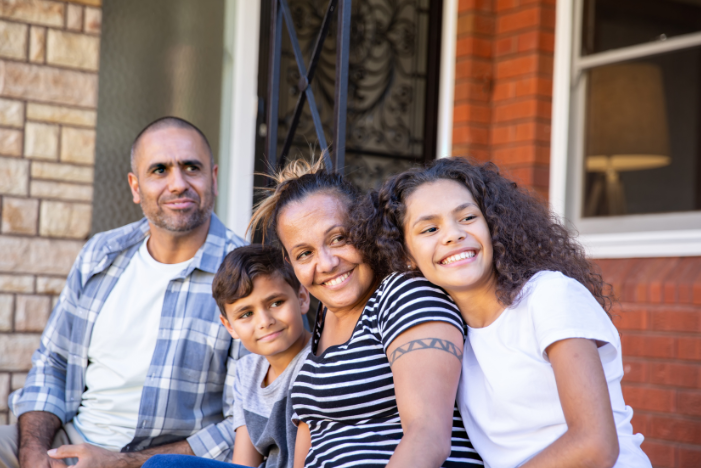
Many people start wondering what a healthy family relationship actually looks like when something at home doesn’t feel quite right – but they can’t always put their finger on why. Others worry they’re doing it ‘wrong’ because their family doesn’t look like the calm, happy images they see online or on TV.
The reality is that healthy family relationships aren’t perfect, quiet or free from conflict. They’re built on safety, warmth and the ability to reconnect when things go wrong.
Michael Davy, Practice Specialist (Counselling & Groups) at Interrelate, explains that health in family relationships starts with something simple, yet essential:
‘First and foremost, a healthy family relationship needs to be a safe experience for all family members,’ he says. ‘It needs to be free from harm and neglect – physical, emotional or sexual abuse. Safety is the foundation.’
Once safety is in place, healthy family relationships are shaped through belonging, respect, clear roles and flexibility as families grow and change over time.
What does a healthy family relationship look like in everyday life?
When people ask, ‘What does a healthy family relationship look like?’ they’re usually looking for everyday signs they can recognise, not a checklist of perfection.
In practice, healthy family relationships tend to balance two needs at the same time: closeness and individuality.
Michael describes it as ‘belonging, but with uniqueness’.
‘Every person in the family is different. Healthy family relationships allow people to feel connected and together, while also having space to be their unique selves.’
That balance shows up in ordinary moments. Shared time that changes as children grow. Routines that provide predictability without becoming rigid. Flexibility that allows families to adapt without tipping into chaos.
Healthy families also accept that relationships aren’t smooth all the time.
‘Families are imperfect. There are always bumps and challenges along the way. What matters is whether people can come back together, feel accepted again and rebalance themselves.’
This ability to reconnect after difficulty is one of the strongest signs of a healthy family relationship.
Characteristics of a healthy family relationship
There’s no single model for family life, but there are common characteristics of a healthy family relationship that show up across many different families.
At their core, healthy family relationships are built on:
-
emotional and physical safety
-
warmth and care expressed in everyday ways
-
respect for each person’s feelings and experiences
-
clear roles, with adults providing care and guidance
-
the ability to repair after conflict
Michael highlights how important warmth and emotional safety are for both children and adults:
‘Emotional and relational warmth makes a huge difference. Our nervous systems are wired for it. When people feel safe and cared for, it’s much easier to settle, regulate emotions and reconnect after conflict.’
Emotional safety and caregiving roles
One key marker of healthy family relationships is emotional safety, particularly for children. This means children can share their thoughts and feelings without being dismissed, judged or criticised.
It also means the caregiving role stays where it belongs.
‘In healthy families, parents are responding to children’s needs, not the other way around,’ Michael says. ‘When a child becomes the parent’s counsellor or feels responsible for the parent’s wellbeing, something important has flipped.’
Healthy family relationships allow children to be children, while adults manage adult emotions and responsibilities.
Healthy boundaries in family relationships
Healthy boundaries in family relationships help everyone feel safe, respected and clear about expectations. They’re not about control or harsh rules. They’re about protecting dignity and emotional wellbeing.
Boundaries might include limits around:
-
how family members speak to each other
-
how conflict is handled
-
privacy and personal space
-
managing strong emotions without harm
Michael emphasises that boundaries work best when adults model them first:
‘Part of a respectful family is noticing how I’m reacting. Sometimes I need to pause, take a breath or get myself into a better place before responding.’
Boundaries don’t mean children won’t push back. They mean children learn that emotions are welcome, but harmful behaviour isn’t.
Healthy vs unhealthy family relationships
People often begin questioning healthy versus unhealthy family relationships when conflict starts to feel repetitive or exhausting.
Unhealthy patterns tend to involve:
-
the same arguments looping over and over
-
reactions escalating rather than settling
-
emotional withdrawal or shutdown
-
little or no repair after conflict
Michael describes these as stuck cycles:
‘When families get into a broken-record pattern – the more one person reacts, the more the other reacts back – it often becomes more intense and distressed over time. That’s usually a sign that something different needs to happen.’
Another important sign is when repair disappears.
‘If families are either fighting or withdrawing and no longer coming back together, that tells us the relationship isn’t regaining balance, and support may be needed.’
Noticing these patterns early can help families shift course before problems grow bigger.
The importance of healthy family relationships
The importance of healthy family relationships goes well beyond day-to-day harmony. These relationships shape how children understand themselves, others and the world around them.
For children, healthy family relationships support emotional regulation, resilience, and a sense of safety that carries into friendships and future partnerships. For adults, they reduce isolation, strengthen communication and make stress easier to manage together.
Healthy family relationships don’t remove challenges, but they make it safer to face them.
Michael reminds families that seeking support is part of health, not a sign of failure:
‘Raising kids is challenging,’ he says. ‘None of us should do it alone. Support helps families identify stuck patterns and find new ways to respond as life and development keep changing.’
So, what is a healthy family relationship in essence? It’s one where people feel safe, valued and connected. Where warmth and respect are present. Where boundaries protect dignity. And where families can repair after conflict rather than staying stuck.
Healthy family relationships aren’t about getting it right all the time. They’re about noticing when things aren’t working and being willing to adapt.
If your family is feeling stuck, overwhelmed or caught in repeating patterns, you don’t have to navigate it alone. At Interrelate, we offer counselling for families as well as relationship and parenting courses to help build safer, healthier relationships.
You might also be interested in
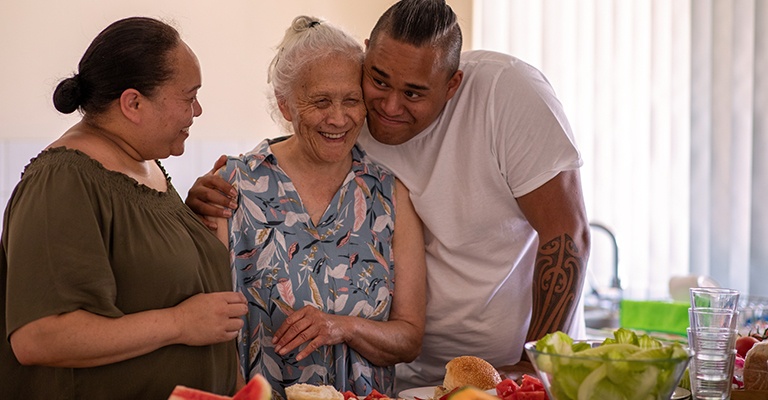
Counselling for Families
There's no roadmap when it comes to family. Family relationship counselling can provide your family with information, tools and strategies to help create a stronger and more harmonious family environment.

Circle of Security
Learn the foundational skills to nurture your child's future. This course supports you to recognise and respond to the needs of your child, helping them to form secure relationships with you and with others.
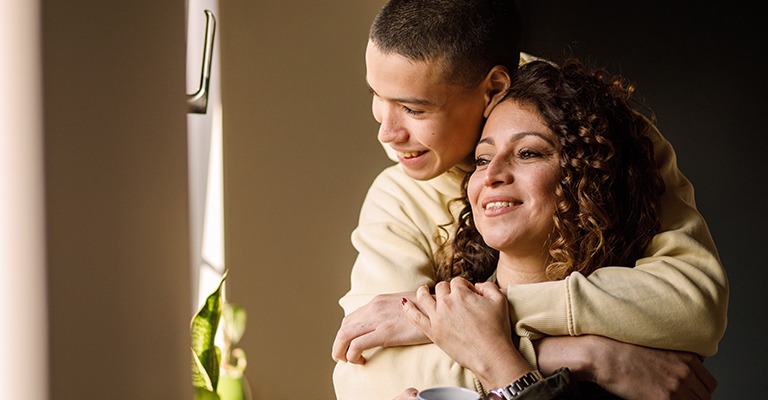
Mental Health Support
Emotional, psychological and social wellbeing contributes to mental health and all are integral to the relationships we have with ourselves and others. We provide a range of specialised mental health services to ensure you and your family have the support you need.
Related articles

How to build healthy habits with your child online
In today's tech-driven world, managing screen time and fostering healthy online habits for your child can be challenging. Being actively engaged with your child during online activities, rather than letting technology create physical but emotional distance should be the aim. Intentional use of technology together can help children develop valuable life skills, such as empathy and self-regulation, while strengthening relationships.
Read More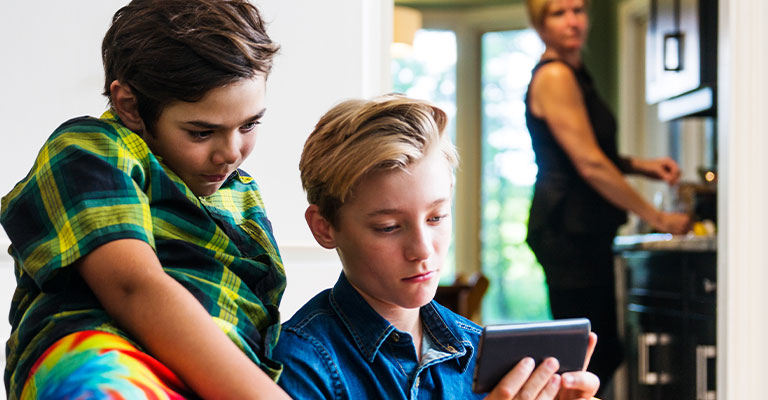
Parenting Through Puberty - Is Technology a Friend or Foe?
Whether it was the birds and the bees talk with a parent, hushed conversations from a friend in primary school, or perhaps a cringe-worthy lesson in the classroom - it's a safe bet that some things have changed when it comes to learning about sex and puberty since the increase in digital technologies and it's impact on learning.
Read More
Tips to help fathers build stronger relationships with their children
You don’t need to be a full-time dad to be a great father and role model. It’s the times when you really engage with your children that will have the most influence on their development.
Read More