- Separation Support
- Counselling
- Mental Health Support
- Relationship and Sexuality Education
- Relationship and Parenting Courses
- First Nations Services
Children’s experience of domestic violence |
Children’s experience of domestic violence is often hidden, but its impact can be profound. Even when not directly targeted, children are affected by the fear, tension and instability around them. Understanding how violence shapes behaviour, learning and development can help adults recognise what children need most. With the right support, children can recover, rebuild a sense of safety and develop healthy, secure relationships over time.
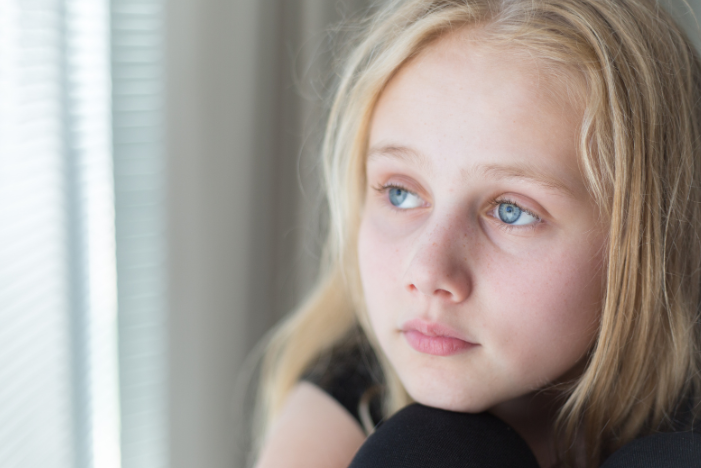
Family and domestic violence doesn’t only affect adults. For children, it can shape how safe the world feels, how they relate to others, and how they understand themselves – even when they are not physically harmed or directly involved.
Understanding children’s experience of domestic violence means recognising they are affected not just by what they see, but by what they hear, sense and live with every day. Ongoing fear, tension and instability can shape a child’s emotional wellbeing, learning, relationships and development in lasting ways.
Kids may witness violence directly, hear it from another room, see the aftermath, or be used as part of the abuse through threats, manipulation or coercive control. And while these experiences are often hidden, their effects are real.
As Interrelate Practice Specialist in Child, Youth and Family, Alicia McAleer explains: ‘Children can experience domestic and family violence both directly and indirectly. Even when violence isn’t directed at them, it still has serious consequences.’
Effects of domestic violence on children
The effects of domestic violence on children can be wide-ranging and deeply disruptive. Violence creates an environment of fear and unpredictability, which can affect how safe kids feel in their own homes.
Children exposed to family violence may experience:
-
ongoing anxiety or hyper-vigilance
-
difficulty trusting others
-
emotional distress or withdrawal
-
disrupted attachment with caregivers
-
challenges regulating their emotions
Importantly, family violence also affects young people through its impact on parenting and family functioning.
‘Family violence is not just an adult-to-adult issue,’ Alicia says. ‘The decision to perpetrate family violence is also a decision about what type of parent a person is going to be.’
Parents who use violence may struggle to provide consistent warmth, safety and emotional availability. At the same time, the parent experiencing violence may be under intense pressure, prioritising safety while coping with fear, control or trauma. These dynamics shape a child’s world, even when no physical harm occurs.
How does domestic violence affect children’s behaviour?
A common question for carers is, how does domestic violence affect children’s behaviour? The answer is: in many different ways.
Some kids show outward behavioural changes, while others become very quiet or compliant. Both can be signs of distress.
Behavioural responses may include:
-
regression, such as bedwetting or clinginess
-
aggression or acting out
-
withdrawal from family or friends
-
difficulty calming themselves
-
being constantly alert or watchful
-
reluctance or fear about going home
‘We need to be careful not to speculate,’ Alicia says. ‘Children’s behaviour can have many contributing factors, and some children show no outward signs at all.’
What can look like ‘bad behaviour’ is often a child’s attempt to cope with fear, confusion or lack of control. Behaviour is communication – especially for kids who don’t yet have the words to explain what they’re experiencing.
How does domestic violence affect children’s education?
For many children, learning becomes much harder when home doesn’t feel safe. Family and domestic violence can affect children’s education in several ways, including negative impacts on concentration, attendance and emotional readiness to learn.
Children exposed to violence may experience:
-
difficulty focusing or remembering information
-
school refusal or frequent absences
-
learning delays or declining academic performance
-
challenges forming friendships
-
feelings of shame or embarrassment
Kids may be preoccupied with worries about a parent’s safety or what might happen at home later. Over time, this stress can affect confidence, engagement and long-term educational outcomes.
How domestic violence affects children’s development
How domestic violence affects children’s development depends on their age, stage and the support around them. While every child’s experience is different, exposure to violence can show up in distinct ways across developmental stages.
-
Pregnancy: exposure to high stress hormones, injury risk or substance use
-
Infancy and toddlerhood: attachment difficulties, sleep and feeding problems
-
Early childhood: anxiety, fear, emotional dysregulation and clinginess
-
Primary school: self-blame, behavioural challenges, learning difficulties
-
Adolescence: depression, self-harm, substance use, risk-taking or unstable housing
Kids often understand more than adults realise – particularly when it comes to safety and emotional cues.
‘Parents sometimes say they were too young to remember,' Alicia says. ‘But then I meet a child who can recall events with perfect clarity. They may not understand the “why”, but they understand the “what”.’
Children are also highly attuned to their caregivers’ emotions. If a parent feels unsafe, kids often feel unsafe too – even without words.
Indicators of domestic violence in children
Recognising indicators of domestic violence in children isn’t always straightforward. Some show clear signs of distress, while others appear to cope on the surface.
Possible indicators include:
-
unexplained headaches or stomach aches
-
sleep difficulties or nightmares
-
high levels of distress or inability to self-soothe
-
social withdrawal or changes in friendships
-
fear of separation from a protective parent
-
sudden changes in mood or behaviour
It’s important to remember that the absence of obvious signs does not mean a child is unaffected. Many adapt quietly in order to survive.
Helping them feel safe again
Family and domestic violence is rarely a one-off event. It often involves ongoing patterns of tension, incidents and periods of calm – and for young people, the waiting can be just as distressing as the violence itself.
According to Alicia, the most important factor in helping kids feel safe again is the relationship with the protective parent.
‘Often, what helps children feel safe again is the same thing that always has – the parent who has been protecting them all along.’
Supporting that parent, creating clear safety plans, maintaining routines where possible, and explaining changes in age-appropriate ways all help restore a child’s sense of security.
Get support for your child
Early support can make a powerful difference to children’s recovery and long-term wellbeing. Specialist children’s counselling and family support services can help young people:
-
process trauma safely
-
develop emotional regulation skills
-
strengthen relationships with caregivers
-
rebuild trust, stability and hope
At Interrelate, our Specialist Family Violence Service, Counselling for Young People and Children’s Contact Service take a whole-family, strengths-based approach, focusing on safety, connection and healing.
If you’re worried about a child or family affected by domestic or family violence, reaching out for support can be an important first step towards recovery and rebuilding safety.
You might also be interested in
Family and Domestic Violence in Relationships
Working towards breaking the cycle of domestic and family violence by providing nurturing support for those experiencing it including children.
Available in Port Macquarie, Greater Sydney, and Lismore.
Counselling for Young People
Life, families, and relationships can be challenging. Sometimes it can make a big difference to have someone to talk these through with to gain support.
Counselling for Families
There's no roadmap when it comes to family. Family relationship counselling can provide your family with information, tools and strategies to help create a stronger and more harmonious family environment.
Related articles
Signs your relationship is unhealthy
Most relationships experience challenges, but sometimes patterns begin to feel unbalanced, unsafe or emotionally draining. You might notice a loss of connection, ongoing tension or a sense that your needs are no longer being met. Understanding the signs your relationship is unhealthy can help you make sense of what you’re experiencing, recognise early warning signs and decide what kind of support or next steps may be right for you.
Read More
Effects of divorce on children: how to support them through separation
When parents separate, children often experience a mix of emotions that can be difficult to understand or express. You may be wondering how much to say, what they need most, or how to protect their wellbeing through change. Understanding the effects of divorce on children can help you respond with greater confidence, reduce stress and create a sense of stability that supports their emotional and developmental needs over time.
Read More
Child-inclusive mediation
When parents separate, decisions about children can become complex and emotionally charged. It’s not always easy to understand what children are experiencing or how to include their perspective safely. Child-inclusive mediation offers a structured way to bring children’s voices into the process without placing responsibility on them. Understanding how this approach works can help families make more informed, child-centred decisions during separation.
Read More