- Separation Support
- Counselling
- Mental Health Support
- Relationship and Sexuality Education
- Relationship and Parenting Courses
- First Nations Services
Encouraging Positive Body Image in Children
Parenting is a journey that travels through many phases but through it all you are hoping to help your children develop strong, resilient mindsets that will set them up for their future. When it comes to navigating issues of body image and self-confidence even the best of intentions from parents may not end in the best of outcomes for children.

Children are battling the constant barrage of images, ideas and concepts of the ‘perfect’ body from the media and social media. Add to this constant comparison with their peers it can be hard for children to develop and maintain a positive body image, so how can parents help? Here are some tips to support you support your children.
Be a role model
Children learn how to act or react from those around them especially the adults. You may not think you are doing anything that may impact them but that passing remark about how thin you look in that old photo is being heard and it feeds into your child's own thoughts on their body.
Watch your words and the things you say about your body, also pay attention to the other adults that are around your children. If an aunt or uncle or friend says something negative about their body, respond by highlighting their great characteristics rather than just brushing it off.
This may be hard to do but it will help your children ten-fold and if you are struggling with your own personal body issues, fake it. After a while you will see your own thoughts shifting.
Have open communication about issues or concerns
Open communication is an important part of parenting no matter what age or what the issue is. The next time you hear your child criticise their body rather than jumping straight to the protective parent mode, be curious and ask questions as to why they think that and listen to their response. You may also want to discuss your own issues as a teen or even as an adult and explain that it happens to everyone.
Make exercising fun and build the habit
Obviously, you don’t want to make your child feel inadequate or make them feel worse about themselves by suggesting you exercise together. What you might want to do is just discuss the benefits of moving and exercising that are completely unrelated to the body like the mental health benefits.
Ask your child what they enjoy doing and then start doing that on a regular basis to build the habit. If they aren’t sure what they like to do, then try out a range of things and see what they do like.
Encourage a healthy relationship with food
This is another time you need to watch your words and how you talk about certain foods. Do you talk about how this ice cream or chocolate bar is adding to your waistline or just that you are enjoying a treat? Make sure your food messaging doesn’t link to weight or body issues, but instead reflects on the nutritional value and the enjoyment of food.
Don’t send mixed messages
Don’t just praise your child or other people based on the way they look. When you are trying to help your child have a healthy body image, offer praise around things like good deeds done, innovative ideas or good grades to show them these are things to value.
This is also true when you praise others. A passing comment on the appearance of a celebrity or sport star may seem innocuous but it sends the message that their looks and not their talents should be praised. This is the opposite message you may be working on sending to your children by praising their own skills and accomplishments and can then feed a negative self-image.
Encourage them to take a critical look at media and representation
There is an increasing representation of a variety of body shapes and sizes in the media, but it is still far from being a balanced representation of reality. Children are exposed to so many images of ‘the perfect body’ for both men and women and these representations can have a negative effect on their own body image.
Talk to your children about these images and explain to them that they have been altered in ways to make them look their best. Help them build a more critical mindset when it comes to these images that they see frequently.
You might also be interested in

Tricky Talks
Guiding students and their trusted adults to have honest communication about the reproductive system, foetal development, puberty, consent and protective behaviours, so you can navigate this time of development together.

Moving Into the Teen Years - Year 5
An introduction to relationships and sexuality education that prepares growing minds with the knowledge to enter puberty informed and empowered.
Family Mental Health Support Service
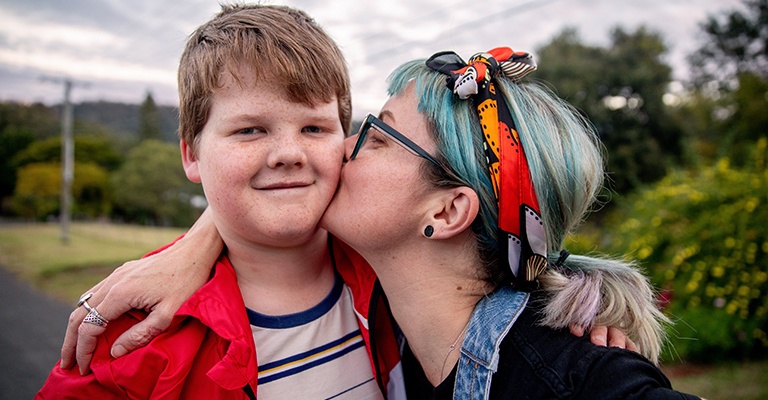
Our Family Mental Health Support Service offers targeted early intervention for young people whose mental wellbeing may be at risk, working with them and their families to help prevent ongoing mental health concerns.
Related articles

Signs your relationship is unhealthy
Most relationships experience challenges, but sometimes patterns begin to feel unbalanced, unsafe or emotionally draining. You might notice a loss of connection, ongoing tension or a sense that your needs are no longer being met. Understanding the signs your relationship is unhealthy can help you make sense of what you’re experiencing, recognise early warning signs and decide what kind of support or next steps may be right for you.
Read More
Effects of divorce on children: how to support them through separation
When parents separate, children often experience a mix of emotions that can be difficult to understand or express. You may be wondering how much to say, what they need most, or how to protect their wellbeing through change. Understanding the effects of divorce on children can help you respond with greater confidence, reduce stress and create a sense of stability that supports their emotional and developmental needs over time.
Read More
Child-inclusive mediation
When parents separate, decisions about children can become complex and emotionally charged. It’s not always easy to understand what children are experiencing or how to include their perspective safely. Child-inclusive mediation offers a structured way to bring children’s voices into the process without placing responsibility on them. Understanding how this approach works can help families make more informed, child-centred decisions during separation.
Read More