- Separation Support
- Counselling
- Mental Health Support
- Relationship and Sexuality Education
- Relationship and Parenting Courses
- First Nations Services
Raising Awareness of Childhood Trauma
Do you think you would recognise when harm is being done to a child? What about 40 years on when they are all grown up - do you think you could recognise the effects of childhood trauma then?
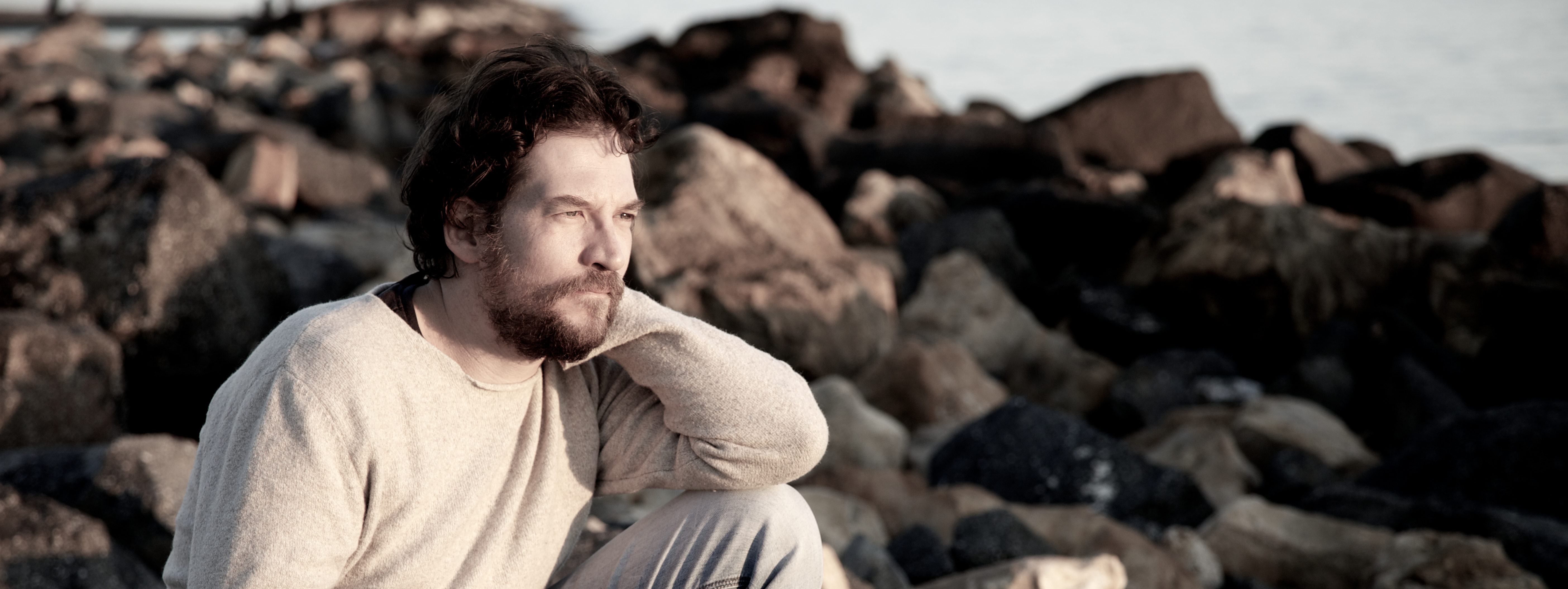
For most of us, including the people experiencing it, the effects of childhood trauma are not always that easy to identify.
Imagine you are sitting at a dinner table with 10 other people. You notice one of them is not making much eye contact with anyone else or contributing much to the conversation. When they do have something to say, it’s very aggressive and more of a statement than something to relate to. Then you notice another person sitting at the table nervous, disengaged, and seemingly more focused on their alcohol consumption than anything around them. You might think they are rude, perhaps a little odd, perhaps the question crossed your mind... what is wrong with them?
According to studies followed in Australia and America, 4 out of 10 people are likely to have experienced childhood trauma. We are not talking about that one time when your parent forgot to pick you up after school, or how they insisted on you playing sport when you really wanted to learn an instrument. No, we are talking about much more serious instances where a child experienced acute or prolonged fear for their safety.
Avoiding eye contact, hot and cold behaviour, appearing to have irrational or unpredictable responses, burning bridges with family and friends, substance abuse and addiction, catastrophising, and ‘black and white’ thinking, are all examples of trauma responses.
When we are in the presence of such behaviour, it is easy to start thinking - what is wrong with them? Why are they being difficult?
Though a more compassionate question to ask would be - what has happened to them? Childhood trauma ranges from emotional abuse, neglect, physical or sexual abuse, death of a parent or siblings, growing up in a violent environment, to growing up with parents who are addicted to alcohol or drugs, or were involved in accidents, or have an illness.
Trauma becomes complex when the child’s caretakers become the perpetrators, when it is repetitive or sustained over a longer period of time or when several of these experiences are occurring for the child. It is an evolving experience for the individual and always changing depending on the situation they are in. These seemingly strange or difficult behaviours can actually be indicators that this person may have experienced childhood trauma and have a deep feeling of being unsafe.
That is not to say that anytime someone doesn’t make eye contact, or has anger to express, that they have been victims of childhood abuse, but it also could be the very reason for this behaviour.
Sadly, a large portion of Australians live with the effects of childhood trauma. They did not choose to have these experiences as a child, and they did not choose to feel unsafe, and for many they do not choose to respond in this way. They are simply finding the best way they know how to cope with the mechanisms they have built upon from childhood. This is why adopting a perspective of compassion and curiosity for another’s behaviour, can make a huge difference in creating a safe space for that person to exist.
So next time you find yourself at a dinner party, or sitting next to someone who is displaying some of these behaviours do these three things:
- Pause – take a moment to notice you are forming a judgement about someone.
- Consider - What has happened to them?
- Ask yourself - What can I do to make them feel safe with me?
Interrelate are here to support you. If you or someone you know is affected by childhood trauma you can reach out to us on 1300 473 528 or email interrelate@interrelate.org.au.
*Please note we are only able to provide counselling for mid – short term length. If longer term support is required, we will work with you to find a solution.
For sexual abuse specific support and resources, you can contact the Blue Knot foundation on the details below:
Phone: 1300 657 380 Email: helpline@blueknot.org.au https://blueknot.org.au/survivors/finding-support/
If this article has raised any issues for you - you can contact Lifeline for immediate support: Lifeline: 13 11 14